Custom Fence Solutions: Elevate Your Property's Appearance With Professional Expertise
Custom fence installation serves as a essential element in elevating both the aesthetic and functional dimensions of a home. With a variety of styles and materials available, property owners can create a personalized appearance that suits their landscape. Professional craftsmanship proves critical in guaranteeing strength and visual appeal. As property owners consider these factors, they may find themselves questioning how to properly execute their custom fence project for optimal results.
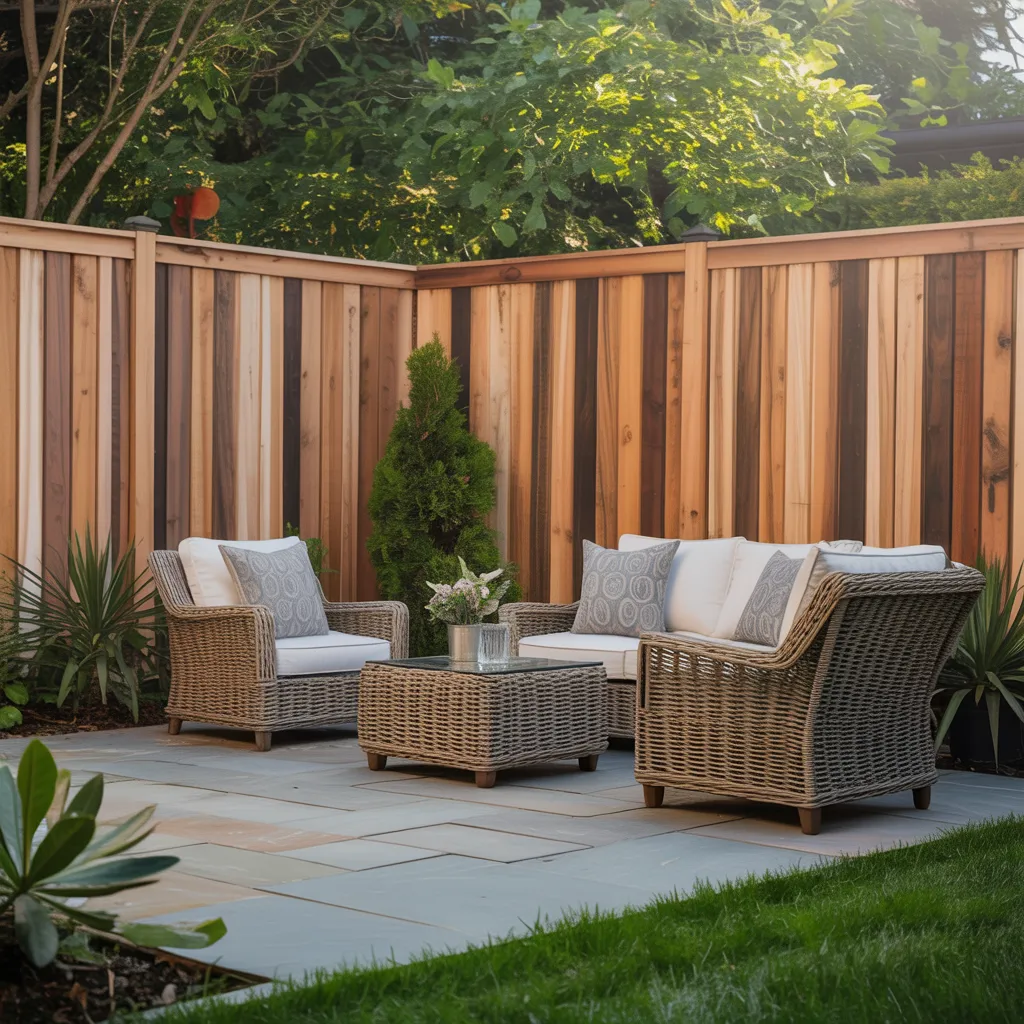
Why Custom Fences Are Vital for Your Home
Custom fences are increasingly recognized as important additions for homes and residential spaces. These structures fulfill several functions, improving safety, seclusion, and visual charm. Many property owners discover that a thoughtfully crafted fence is able to mark property lines, providing a clear delineation between their property and neighboring spaces. This not only fosters a sense of ownership but also instills a feeling of protection, especially in densely populated areas.
Additionally, personalized fencing solutions can be designed to enhance the architectural style of a home, integrating naturally with the surrounding environment. Selections ranging from wood, vinyl, or metal can be selected based on style requirements and lasting quality, offering a wide range of options to satisfy specific desires. Moreover, these fences can boost home value, making them a valuable addition for home dwellers. Overall, custom fences play a vital role to the functionality and beauty of residential spaces, making them an important factor in residential upgrade plans.
Planning Your Custom Fence Budget
When organizing a custom fence project, homeowners need to thoughtfully evaluate their budgets to confirm the final installation aligns with their vision without undue financial burden. Creating a well-structured budget involves accounting for multiple considerations, including material expenses, labor fees, and supplementary elements, such as entryways or aesthetic additions. Property owners should gather several estimates from qualified contractors to evaluate costs and offerings.
It's also crucial to consider possible hidden costs, such as permits or site preparation. By setting aside a contingency fund—typically 10-15% of the total budget—homeowners are able to cover unanticipated expenses that may come up during the installation process.
Prioritizing needs versus wants can help streamline the budget, guaranteeing that essential features are included while limiting unnecessary expenses. By approaching budgeting thoughtfully, homeowners can guarantee a rewarding and successful custom fence endeavor that improves their property value without compromising financial stability.
Picking the Ideal Materials for Your Custom Fence
When selecting the right materials for a custom fence, homeowners often face the decision between vinyl and wood options. Each option presents notable advantages when it comes to durability and upkeep requirements. Knowing these differences can strongly impact the overall performance and longevity of the chosen fencing solution.
Wood Versus Vinyl Fencing
Selecting the best options for a fence can significantly influence both appearance and practicality. Wooden fencing is frequently chosen for its natural beauty and versatility, permitting various looks and treatments. It can naturally integrate with the surrounding landscape and offers a warm, inviting look. Nevertheless, it can demand routine maintenance to preserve its appeal.
In contrast, vinyl fencing offers a fresh appeal with a neat, consistent appearance. It is available in a wide variety of hues and patterns, allowing homeowners to find options that align with their vision. Vinyl stands up against bugs and deterioration, making it a low-maintenance choice. Ultimately, the selection between vinyl and wood fencing copyrights on individual preferences, aesthetic vision, and future plans for the property.
Longevity and Upkeep Considerations
Examining durability and care requirements is crucial for selecting the right materials for a tailored fence. A range of materials present notable strengths regarding durability and maintenance. For example, metal fences, such as wrought iron or aluminum, provide exceptional durability and require minimal maintenance, withstanding rust and weathering. In contrast, wood fences, despite their attractive appearance, demand regular treatments to guard against decay and pest damage, compromising lasting performance. Vinyl fencing stands out for its low maintenance needs, resisting fading and warping but may be less resilient in extreme conditions. At the end of the day, the selection of fencing material should align with the property owner's aesthetic preferences, climate considerations, and willingness to invest time in maintenance, guaranteeing the fence stays durable and attractive through the years.
Crafting a Fence That Matches Your Landscape
Creating a fence that complements a landscape requires careful consideration of structural elements and the use of environmentally friendly materials. A well-matched fence not only enhances the established architecture but also integrates with the surrounding environment. Choosing materials that complement the landscape can produce a unified and welcoming outdoor space.
Aligning Architectural Aesthetics
How can homeowners create a seamless blend between their fences and the surrounding architecture? By carefully considering the style and materials of their home, they can select a fence that enhances the overall aesthetic. For instance, a modern home may benefit from sleek, minimalist designs, while a traditional residence could be complemented by classic picket or wrought iron fences.
Moreover, color choices should be harmonious; a fence painted to match the home's trim can unify the space. Homeowners should also consider height and scale, making sure the fence does not dominate the property or appear mismatched. At the end of the day, a well-designed fence has the ability to elevate curb appeal and foster a harmonious, inviting ambiance that captures the homeowner's individual style.
Picking Natural Materials
While selecting a fence, homeowners often find that choosing organic materials can greatly strengthen the connection between the fence and the surrounding scenery. Bamboo, wood, and stone are favored choices that not only provide durability but also blend seamlessly with various environments. For instance, fences made from cedar or redwood can create a cozy, natural atmosphere, while stone walls offer a more timeless, elegant aesthetic. Additionally, choosing materials from local sources can establish a strong regional identity, grounding the property within its geographic context. Homeowners should consider the maintenance requirements of these materials, as well as their durability against weather conditions and pests. Ultimately, the ideal combination of natural materials can improve both the fence's utility and its overall appearance, producing a unified and attractive outdoor setting.
How Professional Craftsmanship Creates an Impact
Professional craftsmanship in fence installation significantly influences both the visual attractiveness and structural durability of a property. Experienced craftsmen possess the expertise to select the appropriate materials and techniques tailored to specific environmental conditions. Such expertise ensures that fences not only boost a property's aesthetic beauty but also endure read the information for years to come.
Attention to detail in the installation process proves critical in producing a seamless appearance. Accurate measurements and proper alignment prevents issues such as shifting or bowing, which can diminish a house's visual appeal. Furthermore, skilled installation often includes following local regulations and safety standards, reducing potential liabilities for property owners.
Choosing skilled setup also means employing cutting-edge tools and techniques that are often out of reach to DIY enthusiasts. This comprehensive method results in a long-lasting fence that boosts the value of the property while showcasing the homeowner's aesthetic preferences. Ultimately, skilled craftsmanship ensures that a fence fulfills its function effectively and beautifully.
Maintenance Tips for Long-Lasting Fencing Solutions
Proper maintenance is key to ensuring the longevity and durability of every fence, no matter the skill involved in its construction. Regular inspections are essential; property owners ought to look for indicators of wear, decay, or corrosion a minimum of two times annually. With timber fences, coating them with a protective finish every several years can shield against moisture and increase longevity. Metal fence structures demand routine maintenance to clear away grime and rust, commonly achieved with a wire brush or rust-inhibiting paint.
Furthermore, cutting back vegetation that contacts the fence lowers the risk of insect infestations and mold. Ensuring proper drainage around the fence line eliminates water accumulation, which can undermine the foundation. As a final point, resolving any issues without delay can minimize expenses and effort in the long run. By adhering to these maintenance tips, property owners can benefit from a beautiful and functional fence for years ahead, improving their home's visual charm.

Questions We Are Often Asked
How Much Time Does a Custom Fence Installation Usually Require?
Custom fence installation generally requires between one and two weeks, depending on factors such as project scope, material selection, and prevailing weather conditions. Additional time may be needed for permitting and site preparation before work can commence.
Will I Need a Permit to Install a Custom Fence?
In most cases, a permit is needed for the installation of a custom fence, according to local regulations. It is recommended that homeowners verify with their local authorities to verify compliance with zoning laws and property guidelines.
Which Styles of Custom Fences Are the Most Popular?
Common designs of bespoke fences include picket, privacy, ornamental, and ranch. Each design offers distinctive visual appeal and practicality, accommodating different needs and improving home value and delivering security throughout both residential and commercial properties.
Can a Custom Fence Be Installed in the Winter?
Yes, a personalized fence may be installed during the winter months. However, colder temperatures may affect materials and installation techniques, so it's crucial to seek professional advice for the best results and ensure proper handling during adverse weather conditions.
How Can I Select the Best Contractor for Installation?
To identify the best contractor for the installation, you should verify qualifications, read reviews, evaluate quotes, and verify experience. Clear communication and a comprehensive contract are critical to guarantee high-quality workmanship and complete satisfaction with the project.